
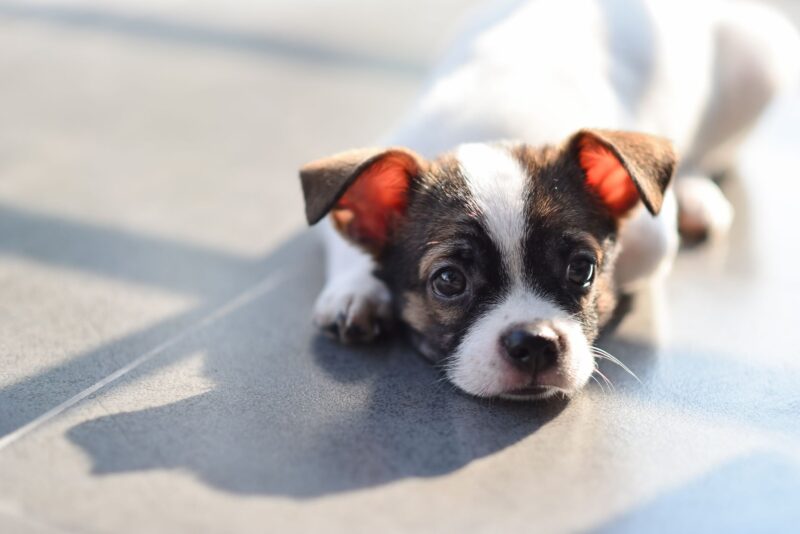
Puppy separation anxiety can be challenging for both puppies and their owners. When left alone, some puppies bark, whine, pace, or chew furniture. Others may become restless or show signs of distress when their owners prepare to leave.
The good news is that you can help your puppy learn to feel more comfortable alone. With patience, positive reinforcement, and gradual training, you can build your puppy's confidence and make time apart easier.
🎥 Watch This Helpful Video:
Puppy separation anxiety can be challenging for both puppies and their owners. When left alone, some puppies bark, whine, pace, or chew furniture. Others may become restless or show signs of distress when their owners prepare to leave.
The good news is that you can help your puppy learn to feel more comfortable alone. With patience, positive reinforcement, and gradual training, you can build your puppy's confidence and make time apart easier.
1. Create a Safe and Comfortable Space
Give your puppy a quiet, comfortable place to rest when you are at home and when you need to step away briefly.
- Provide a comfortable bed and a familiar blanket.
- Offer safe toys suitable for your puppy's age and chewing habits.
- Introduce a crate gradually if you choose to use one.
- Never use a crate as punishment or force your puppy to stay inside if it causes distress.
The goal is to help your puppy associate this space with comfort and security.
2. Use Toys to Keep Your Puppy Occupied
Appropriate enrichment can help puppies relax and stay engaged while you are away.
Try offering a safe chew toy, a food puzzle, or a suitable enrichment toy. Introduce new items while you are home so you can check that your puppy uses them safely.
Remember that toys alone will not resolve serious separation anxiety. Your puppy also needs to learn that being alone is safe.
3. Provide Exercise and Mental Stimulation
Age-appropriate exercise and mental stimulation can help your puppy settle more easily.
Before a planned departure, consider:
- A short walk appropriate for your puppy's age and vaccination status.
- A gentle play session.
- A few minutes of basic training or scent games.
Allow your puppy time to relax and go to the toilet before leaving. Avoid excessive exercise, as growing puppies need plenty of rest.
4. Practice Short, Gradual Departures
One of the most helpful ways to build independence is to introduce alone time gradually.
Start with very short separations, such as stepping into another room for a few seconds. Return while your puppy is still comfortable, then gradually increase the duration.
Watch for signs of distress, including persistent barking, whining, pacing, or scratching at the door. If these appear, make the next practice session easier and shorter.
Every puppy learns at a different pace. The aim is to build confidence without overwhelming your puppy.
If your puppy struggles with alone time, learn how to help a puppy adjust to being alone with patience and gradual training.
5. Keep Departures and Returns Calm
Try to make leaving and returning home predictable and relaxed.
You do not need to ignore your puppy when you return. Instead, greet your puppy calmly and give them attention without creating unnecessary excitement.
A consistent routine can help your puppy understand that departures are a normal part of everyday life.
If your puppy struggles with alone time, learn how to help a puppy adjust to being alone with patience and gradual training.
6. Help Your Puppy Get Used to Independence at Home
You can begin teaching independence even when you are not planning to leave the house.
Encourage your puppy to rest on their bed while you work nearby. Occasionally move into another room for a short time, then return. Reward calm, relaxed behavior.
Avoid suddenly leaving a young puppy alone for long periods. Puppies have different needs depending on their age, toilet-training progress, and individual temperament.
When Should You Seek Professional Help?
Some puppies experience more than ordinary difficulty adjusting to being alone. If your puppy panics, tries to escape, injures themselves, or remains extremely distressed despite gradual training, consult your veterinarian.
A veterinarian or qualified behavior professional can help determine the cause and recommend an appropriate treatment plan.
For more practical advice, explore these dog separation anxiety tips to better understand your dog's behavior and support them when you leave home.
If your puppy shows persistent signs of distress when left alone, read the RSPCA's advice on separation-related behaviour in dogs for further guidance.
Conclusion
Preventing puppy separation anxiety starts with patience, consistency, and gradual training. A comfortable resting area, appropriate enrichment, gentle exercise, and short practice departures can help your puppy develop confidence.
Remember that progress takes time. By respecting your puppy's limits and increasing alone time gradually, you can help them feel safer when you are not at home.
Frequently Asked Questions
Can you prevent separation anxiety in puppies?
You can reduce the risk by introducing alone time gradually, encouraging independence, and avoiding overwhelming separations. However, not every case can be prevented.
How long can a puppy be left alone?
It depends on the puppy's age, toilet-training needs, and ability to remain comfortable. Young puppies need frequent toilet breaks, supervision, and social interaction.
Should I let my puppy cry when I leave?
Do not assume that persistent crying is something your puppy simply needs to get over. Check for distress and make the training easier. Gradual, positive practice is preferable to forcing a puppy to endure prolonged anxiety.