
Most people think of protection as barking at the front door or chasing away a stranger. While some dogs certainly do that, the strongest ways they protect their families are often much quieter.
Sometimes it's a gentle nudge when you're upset. Sometimes it's choosing to sleep near your bedroom instead of somewhere more comfortable. Other times it's simply paying attention to every little change happening around the house before anyone else notices.
Dogs don't need words to show they're looking out for the people they love. Their everyday behavior tells the story.
They Notice When Something Feels Different
Dogs live through their senses. They hear sounds we ignore, notice unfamiliar scents, and quickly recognize when your daily routine changes.
If you suddenly come home later than usual, seem anxious, or start moving differently because you're tired or unwell, your dog may react before anyone says a word. Research suggests dogs are remarkably sensitive to human emotions and often adjust their behavior in response.
Instead of becoming excited, many dogs become calmer, stay close, or quietly watch over their owner.
They Keep an Eye on the Home
Not every bark means danger.
Many dogs simply alert their family that something unusual is happening—a delivery driver, someone approaching the gate, or an unexpected noise outside.
That doesn't make every dog a guard dog, but it does show how naturally attentive they are to their surroundings.
If your dog frequently reacts to visitors, you may also enjoy our article Why a Dog That Knows You Can Still Bite, which explains why familiarity doesn't always prevent defensive behavior.
They Stay Close When You Need Them
Have you ever noticed your dog following you from room to room during a stressful day?
Many owners call this “Velcro dog” behavior, but it's often more than simple curiosity. Dogs naturally prefer staying close to the people they trust most because those relationships provide security for them—and, in return, they often provide comfort for us as well.
Sometimes the greatest support is simply not being alone.
They Comfort Without Saying Anything
Dogs don't offer advice.
They don't ask questions.
They simply sit beside you.
Many owners describe their dog resting a head on their lap during difficult moments or quietly leaning against them after a stressful day. Studies have found that dogs often respond to human emotional distress with affiliative behaviors that resemble comfort or consolation.
It's one of the reasons the human-dog bond feels so unique.
They Encourage Healthy Routines
Even on days when motivation is low, dogs still need breakfast, walks, fresh water, and playtime.
Without realizing it, they encourage their families to move more, spend time outdoors, and stick to a routine that benefits everyone.
Those daily habits can make a surprising difference to both physical and emotional well-being.
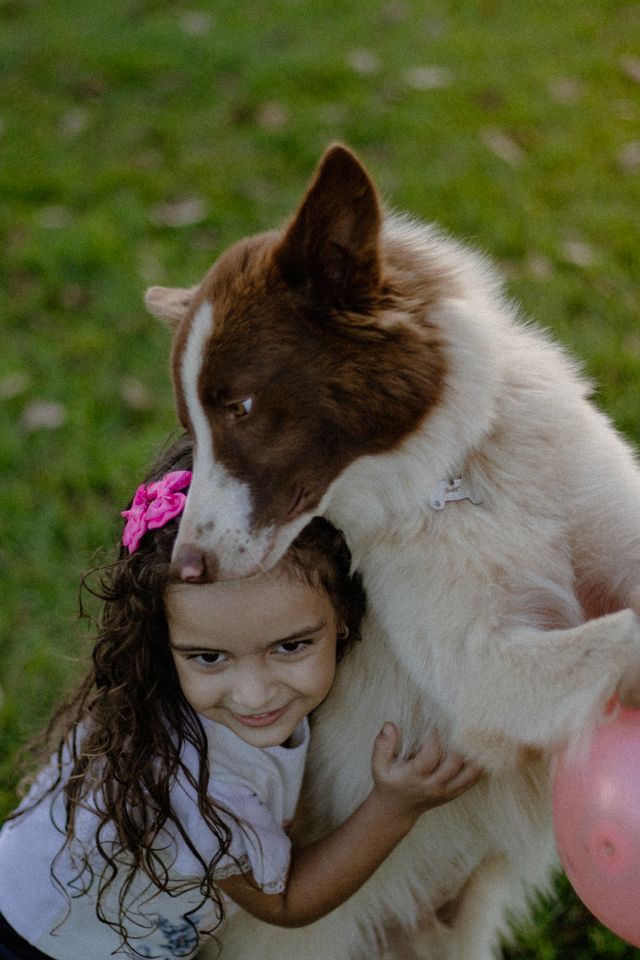
They Watch Over Children
Many dogs naturally choose to stay near children they know well.
That doesn't mean dogs should ever babysit children, but countless families notice their dog calmly following kids around the garden or lying nearby during playtime.
If children regularly interact with dogs, it's equally important to teach safe behavior around pets. The Dogs Trust guide on children and dogs offers practical advice for helping both build a safe relationship.
They Help Families Feel Safe
Sometimes protection isn't about stopping danger.
It's about creating a feeling of security.
Hearing your dog calmly settle near the bedroom at night or knowing they'll alert you if someone approaches the house gives many people peace of mind.
Their presence alone often makes a home feel more reassuring.
They Bring Everyone Together
Dogs have an amazing way of turning ordinary moments into shared memories.
Family walks become conversations.
Playing fetch becomes laughter.
Weekend adventures become traditions.
Looking for new ways to enjoy time together? Our guide Exploring the World With Your Canine Companion shares simple ideas for safe adventures you can enjoy with your dog.
They Accept You Exactly as You Are
Dogs don't care what kind of day you've had.
They don't judge your appearance, your job, or your mistakes.
To them, you're simply their favorite person.
That kind of unconditional acceptance is one reason so many people describe their dog as a true member of the family rather than “just a pet.”
Love Is Their Quietest Superpower
Most dogs will never chase away an intruder or perform dramatic rescues.
Instead, they'll quietly notice when you're sad, wait by the door until you come home, keep an eye on unfamiliar sounds, encourage you to get outside, and make ordinary days feel a little brighter.
Those small moments rarely make headlines.
But together, they're exactly what makes dogs such extraordinary family companions.
FAQ
Do dogs really know when you're feeling sad?
Many dogs appear to recognize changes in human body language, facial expressions, and tone of voice. While every dog is different, many naturally respond by staying close or offering quiet comfort.
Are all dogs naturally protective?
Most dogs are naturally alert, but not every dog has strong guarding instincts. Protection often appears as awareness and loyalty rather than aggression.
Why does my dog follow me everywhere?
Dogs are social animals that form strong bonds with their families. Staying close is often a normal sign of trust, attachment, and companionship.
Can dogs help reduce stress?
Many owners report feeling calmer when spending time with their dog, and research suggests that interacting with dogs can help reduce stress and support emotional well-being.