
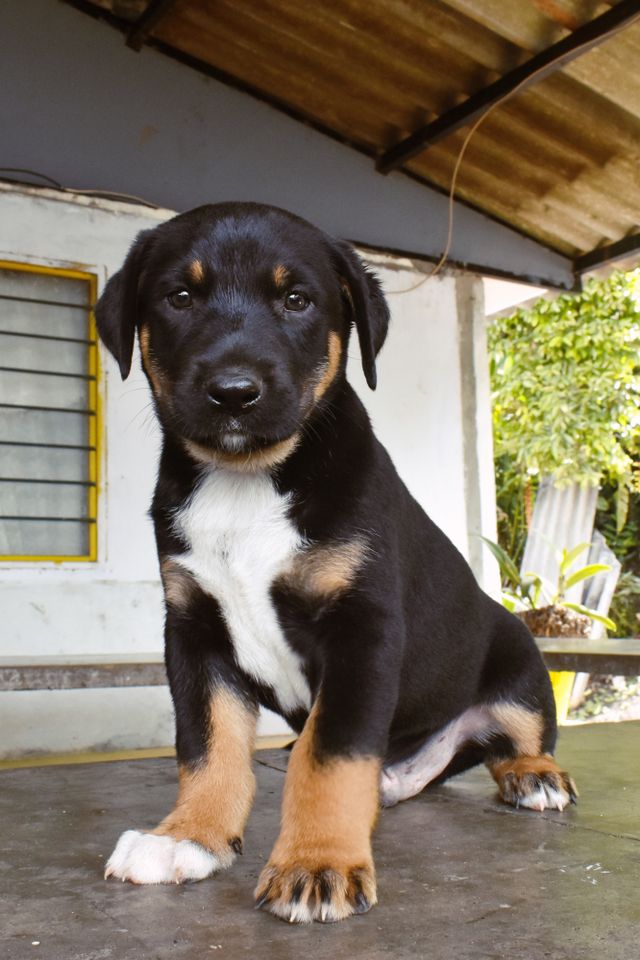
Your puppy looks healthy, full of energy, and ready to explore the world. So it's completely normal to wonder why vaccinations are necessary if nothing seems wrong.
The answer is simple: some of the most dangerous diseases don't give you a warning. By the time symptoms appear, treatment can be difficult—or sometimes impossible.
Vaccinations help prepare your puppy's immune system to recognize and fight these diseases before they have the chance to cause serious harm.
Why are puppy vaccinations so important?
Puppies are born with some protection from their mother's milk, but that protection doesn't last forever.
As those natural antibodies gradually disappear, your puppy becomes vulnerable to serious infectious diseases. Vaccinations safely introduce the immune system to these diseases, allowing it to build protection before your puppy is exposed to the real infection.
This simple step can protect your puppy from illnesses that may otherwise become life-threatening.
Which diseases do puppy vaccines help prevent?
Although your veterinarian will recommend the right vaccines for your area, the core vaccinations usually protect against:
- Parvovirus
- Canine distemper
- Infectious canine hepatitis
- Rabies (required by law in many countries)
These diseases spread easily and can affect even well-cared-for puppies.
When should a puppy receive vaccinations?
Every puppy is different, but most vaccination schedules follow a similar pattern.
- 6–8 weeks: First vaccination.
- 10–12 weeks: Second vaccination.
- 14–16 weeks: Final puppy booster.
- Around 12 months: Booster vaccination to maintain protection.
Your veterinarian may adjust the schedule depending on your puppy's health, breed, lifestyle, and local disease risks.
For detailed vaccination recommendations and the latest canine vaccination guidelines, visit the American Animal Hospital Association (AAHA).
Why are several vaccinations needed?
Many owners wonder why one injection isn't enough.
The reason is that puppies still carry antibodies from their mother during the first weeks of life. These antibodies gradually disappear, and they can sometimes reduce the effectiveness of early vaccines.
Giving several vaccinations over a few weeks helps ensure your puppy develops reliable protection as those maternal antibodies fade.
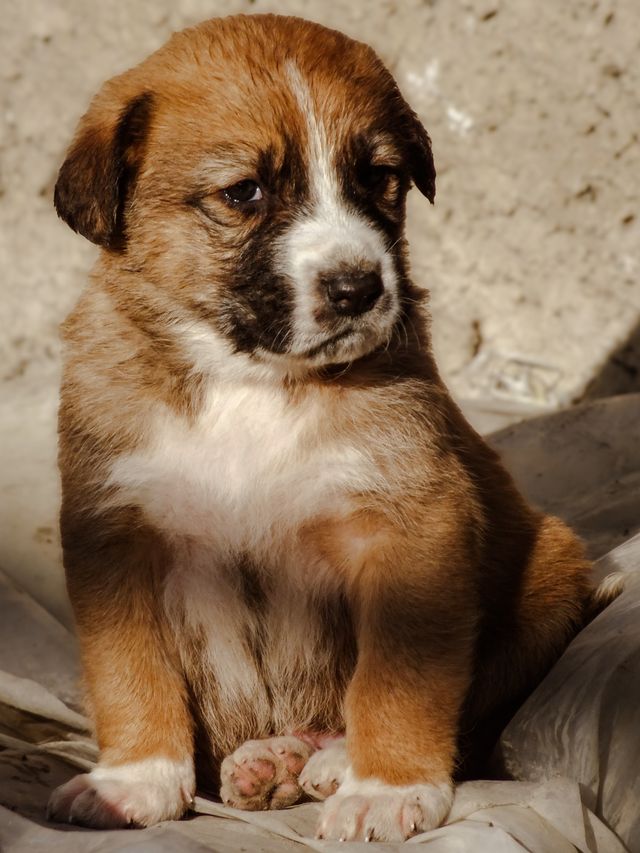
Can my puppy go outside before all vaccinations are finished?
Yes—but with caution.
Your puppy still needs early socialization, new experiences, and confidence-building activities. However, it's best to avoid places where many unknown dogs gather until your veterinarian confirms it's safe.
Instead, you can:
- carry your puppy in busy public places,
- invite healthy, fully vaccinated dogs to your home,
- allow your puppy to explore clean, low-risk environments.
If you're planning your puppy's first meetings with other dogs, our article Greet Your Dog the Right Way explains how to make introductions safer and more positive.
Are there side effects after vaccination?
Most puppies feel perfectly fine after a vaccination.
Some may experience:
- mild tiredness,
- temporary soreness where the vaccine was given,
- slightly reduced appetite for a day.
These mild reactions usually disappear within 24 hours.
Contact your veterinarian immediately if your puppy has difficulty breathing, severe swelling, repeated vomiting, or collapses after vaccination.
Vaccinations are only part of staying healthy
Vaccinations provide important protection, but they're only one part of raising a healthy puppy.
Regular veterinary checkups, parasite prevention, balanced nutrition, and gentle socialization all work together to give your puppy the best possible start in life.
If you're also wondering how much your growing puppy should eat, our guide How Often Should You Feed a Puppy? explains how to build a healthy feeding routine.
Final Thoughts
The first months of your puppy's life are filled with exciting milestones, and vaccinations are one of the most important.
While no owner enjoys seeing their puppy receive an injection, those few appointments can provide protection against diseases that are far more serious than a moment of discomfort.
Work closely with your veterinarian, follow the recommended vaccination schedule, and enjoy watching your puppy grow into a happy, healthy companion.

FAQ
When should my puppy get its first vaccination?
Most puppies receive their first vaccination between 6 and 8 weeks of age.
Can I skip a puppy vaccination?
Missing a scheduled vaccination can leave your puppy vulnerable to serious infectious diseases. If you miss an appointment, contact your veterinarian to arrange the next dose.
Can my puppy meet other dogs before finishing vaccinations?
Yes, but only healthy, fully vaccinated dogs in controlled environments until your veterinarian says it's safe.
Are puppy vaccinations safe?
Yes. Most puppies experience only mild, temporary side effects, while the protection against serious diseases greatly outweighs the risks.