
Have you ever noticed your dog happily chasing a ball one minute, then refusing to step into the smallest puddle the next? It's a surprisingly common behavior. While some dogs jump into lakes without hesitation, others treat wet grass as if it's lava.
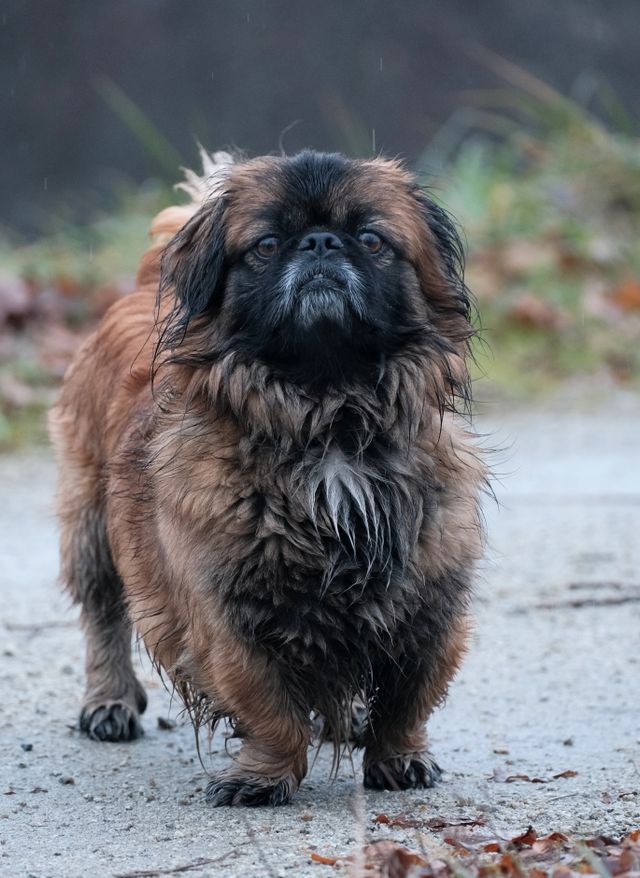
The good news is that this dislike usually isn't stubbornness. In most cases, there's a perfectly reasonable explanation behind it. Understanding why your dog avoids wet paws can help you make rainy walks less stressful and more enjoyable for both of you.
Their Paw Pads Are Extremely Sensitive
A dog's paw pads contain thousands of nerve endings that help them feel different surfaces, temperatures, and textures. What feels like a harmless puddle to us can feel cold, slippery, or simply uncomfortable to them.
Some dogs are naturally more sensitive than others, making every wet step feel strange enough that they'd rather avoid it altogether.
Cold Water Isn't Pleasant
Think about walking barefoot through cold water. Most people hesitate for a reason.
Small breeds, short-haired dogs, senior dogs, and puppies often feel cold much faster. Chilly rain or icy puddles can quickly make their paws uncomfortable, especially during autumn and winter walks.
Slippery Ground Feels Unsafe
Wet sidewalks, tiles, wooden decks, and polished floors become slippery after rain. If your dog has ever slipped before, they may remember the experience and become much more cautious around wet surfaces.
Confidence plays a big role. Dogs naturally prefer stable footing whenever possible.
It Could Be a Learned Experience
Dogs never forget frightening experiences.
If your dog once slipped, got caught in heavy rain, or had an unpleasant bath, they may associate wet paws with something negative. Even one bad experience can shape future behavior.
Fortunately, gentle positive reinforcement can gradually rebuild confidence.
Breed Differences Matter
Not every breed was developed to enjoy water.
Labrador Retrievers, Portuguese Water Dogs, and Newfoundlands often love swimming because they were bred for water work. Meanwhile, breeds like Chihuahuas, Greyhounds, or Whippets are often much less enthusiastic about rain and puddles.
Personality matters too, but genetics can influence how comfortable dogs feel around water.
Hot pavement isn't the only thing that can irritate your dog's paws—learn how to protect them in every season with our complete guide to keeping paws safe outdoors.
After every rainy walk, it's worth taking a minute to clean your dog's paws properly to remove dirt, road salt, and bacteria before they come back inside.
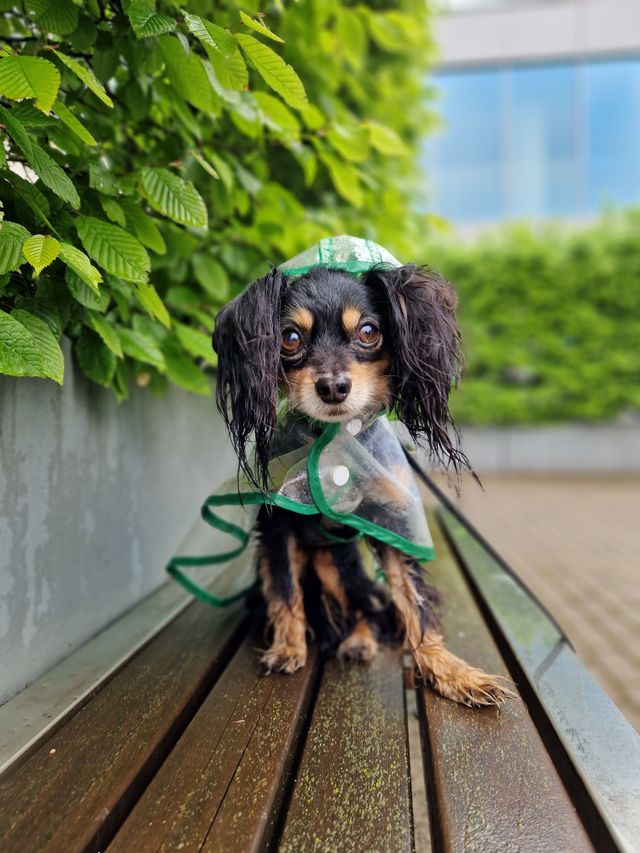
The American Kennel Club also explains how to protect your dog's paws in different weather conditions.
They Simply Don't Like the Feeling
Wet grass, mud, and soggy ground all feel different beneath a dog's feet.
Some dogs dislike the squishy sensation or the feeling of mud sticking between their paw pads. Others dislike having dirty paws afterward and instinctively try to stay clean.
It's simply another individual preference, just like some dogs enjoy snow while others avoid it completely.
How to Help Your Dog Feel More Comfortable
If your dog dislikes wet paws, avoid forcing them through puddles.
Instead, try these simple ideas:
- Reward calm behavior around shallow puddles with treats.
- Choose routes with better drainage after rain.
- Dry their paws with a soft towel as soon as you get home.
- Consider dog booties if your dog is willing to wear them.
- Use a protective paw balm during cold or wet weather.
- Keep walks positive and never punish fearful behavior.
With patience, many dogs become much more confident over time.
When Should You Worry?
Occasionally, refusing to walk on wet ground can signal something more than preference.
Contact your veterinarian if your dog:
- suddenly refuses to walk on any surface,
- constantly licks or chews their paws,
- limps after walks,
- has cracked, bleeding, or swollen paw pads,
- seems unusually painful when their paws are touched.
These signs may indicate injury, allergies, infection, or another medical issue.
Recommended Products for Rainy Walks
A few practical accessories can make wet-weather adventures much easier:
Protective dog paw balm to moisturize and shield paw pads.
Vets Preferred Store
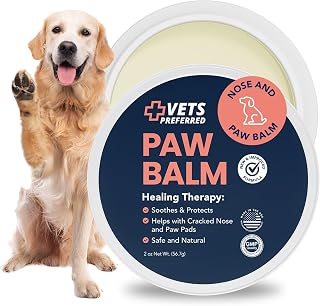
Protect and nourish your dog’s paws with this soothing paw balm, specially formulated to moisturize, heal, and shield against harsh weather. 🐶🐾✨

Absorbent pet mat for drying off after walks.
OLANLY Store
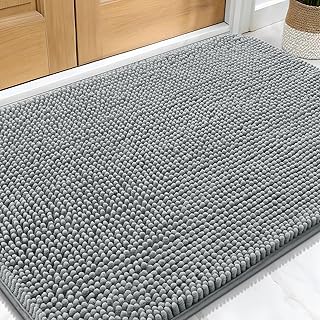
Keep your home cleaner with this ultra-absorbent dog door mat that traps mud, dirt, and moisture from muddy paws. 🐶🏡✨
Waterproof dog raincoat for small or short-haired breeds.
HDE store
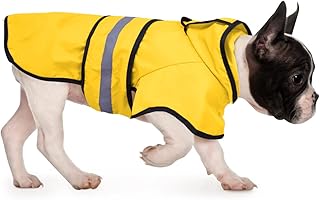
Keep your dog dry and comfortable in wet weather with this lightweight waterproof raincoat, designed for full coverage and easy outdoor adventures. 🌧️🐶🦺
These products won't make every dog love puddles, but they can make rainy outings much more comfortable.
Disclosure: As an affiliate partner, we may earn a commission from qualifying purchases.
Every dog experiences the world differently, and wet paws can feel far more uncomfortable than we imagine. Whether it's sensitive paw pads, cold temperatures, slippery surfaces, or simply personal preference, respecting your dog's comfort goes a long way. With patience, encouragement, and a few helpful accessories, rainy-day walks can become much less of a struggle—for both of you.
FAQ
Why does my dog refuse to walk in the rain?
Many dogs dislike the combination of wet paws, cold temperatures, unfamiliar smells, loud rain, and slippery ground.
Can dogs become afraid of puddles?
Yes. A previous negative experience, such as slipping or getting startled, can create a lasting fear of puddles.
Should I force my dog to walk through water?
No. Gradual exposure with treats and praise works much better than forcing the situation.
Are some dogs naturally better swimmers?
Absolutely. Breeds developed for water work are generally much more comfortable around water than many companion breeds.
Is it normal for puppies to dislike wet paws?
Yes. Puppies are still exploring new sensations, and many become more comfortable with gentle exposure and positive experiences.