
Have you ever felt like your dog was giving you the cold shoulder? Maybe they ignored you after a bath, walked away when you called them, or suddenly seemed distant. While dogs don't hold grudges the way people do, they absolutely show when they're stressed, frustrated, or uncomfortable. Their body language is their way of telling you something isn't right.
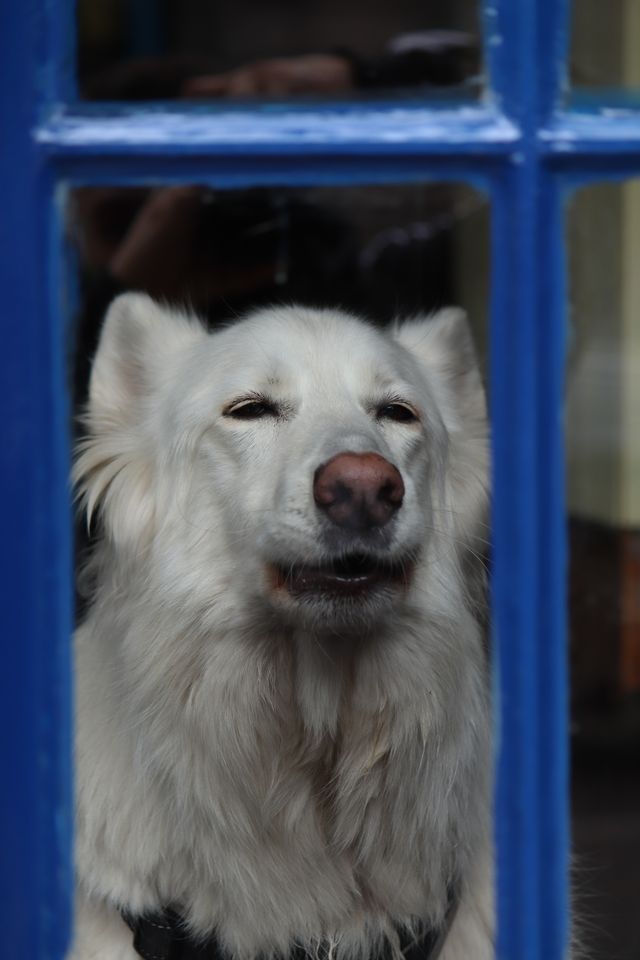
Here's how to recognize the signs—and what you can do to strengthen your bond again.
1. They Avoid You
If your dog suddenly leaves the room or won't come when called, they may simply need space after an unpleasant experience.
How to fix it: Let them approach you at their own pace. Reward calm interactions with praise or treats.
2. They Ignore Commands
A dog that normally listens but suddenly doesn't may be confused, stressed, or distracted.
How to fix it: Keep training sessions short, positive, and reward-based.
Learning to read your dog's emotions goes hand in hand with positive training. Our guide How to Stop Dog Pulling on Leash
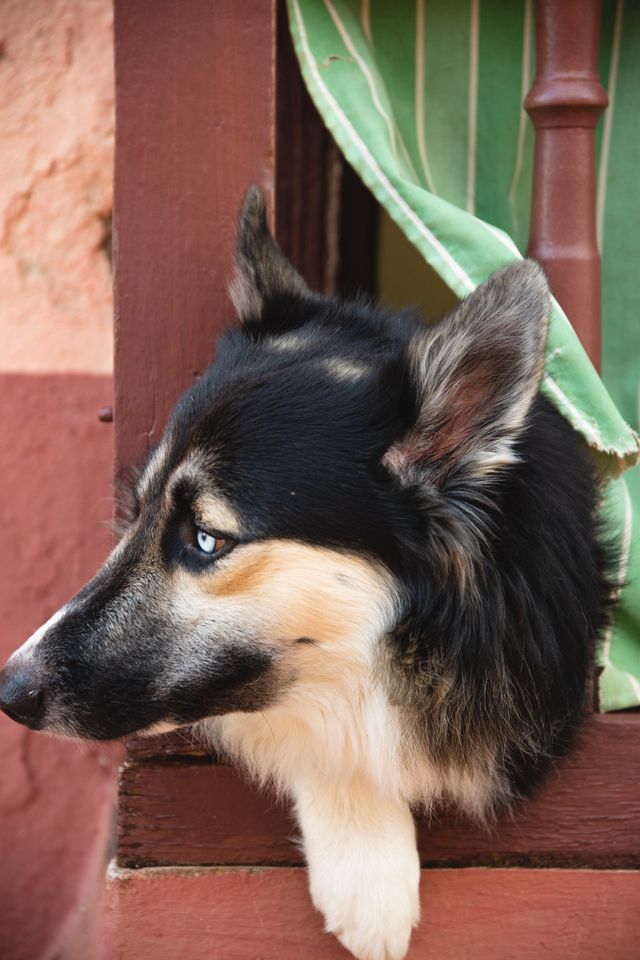
3. They Turn Their Head Away
Looking away is often a calming signal that says, “I'm uncomfortable.”
How to fix it: Stop what you're doing and give your dog a moment to relax.
4. They Flatten Their Ears
Pinned-back ears combined with a tense body can signal stress or uncertainty.
How to fix it: Speak softly and avoid forcing interaction.
5. They Walk Away During Petting
Not every dog wants endless cuddles.
How to fix it: Respect their boundaries and let them choose when affection happens.
6. They Growl
Growling is communication—not bad behavior.
How to fix it: Find out what's bothering your dog instead of punishing the warning.
7. They Hide
Dogs often hide when overwhelmed or frightened.
How to fix it: Create a quiet, safe place where they can relax without interruption.
8. They Stop Greeting You
If your normally excited greeter suddenly stays in bed, something may be bothering them.
How to fix it: Watch for other signs of illness or stress and contact your veterinarian if the behavior continues.
9. They Lip-Lick or Yawn Repeatedly
When these happen outside of sleepy moments, they're often signs of stress.
How to fix it: Reduce whatever is making your dog uncomfortable.
10. They Refuse Treats
Many dogs lose interest in food when anxious.
How to fix it: Give them time to calm down. Persistent appetite changes deserve a vet visit.
11. They Destroy Things
Chewing furniture isn't usually revenge—it's often boredom or anxiety.
How to fix it: Increase daily exercise, enrichment toys, and mental stimulation.
12. They Bark More Than Usual
Excessive barking may signal frustration, fear, or stress.
How to fix it: Identify the trigger rather than simply trying to stop the barking.
13. Their Body Looks Tense
A stiff posture, tucked tail, or “whale eye” (showing the whites of the eyes) often means your dog feels uncomfortable.
How to fix it: Give them distance from whatever is causing stress and let them relax before interacting again.
If you've ever wondered whether your dog feels guilty or is simply showing stress signals, read our article The Unexpected Emotion Behind Your Dog's Guilty Look
How to Rebuild Your Dog's Trust
The good news is that most dogs forgive quickly when they feel safe and understood.
- Use positive reinforcement instead of punishment.
- Keep a consistent daily routine.
- Spend quality time playing and walking together.
- Respect your dog's body language.
- Offer plenty of mental enrichment with puzzle toys and training games.
- Be patient—trust is built through many positive experiences.
For more information about canine calming signals and body language, the work of American Kennel Club (AKC) is an excellent resource for dog owners and trainers alike.
FAQ
Can dogs really be mad at their owners?
Not in the human sense. Dogs experience emotions like fear, frustration, stress, and discomfort rather than holding grudges.
How long do dogs stay upset?
Often only minutes or hours, especially once they feel safe and have a positive interaction.
Should I apologize to my dog?
They won't understand words like “sorry,” but gentle attention, playtime, and positive experiences help rebuild trust.
Is growling always aggression?
No. Growling is often a warning that your dog is uncomfortable. Listening to that warning helps prevent bites.