
If you thought the puppy stage was challenging, welcome to canine adolescence! Between 6 and 12 months of age, puppies go through significant physical, mental, and emotional changes. This period can be both exciting and frustrating as your puppy continues growing while testing boundaries and developing independence.
The good news? Everything you're teaching now is helping shape the adult dog your puppy will become.
Let's explore what happens during puppy development from 6 to 12 months and how you can successfully navigate this important stage.
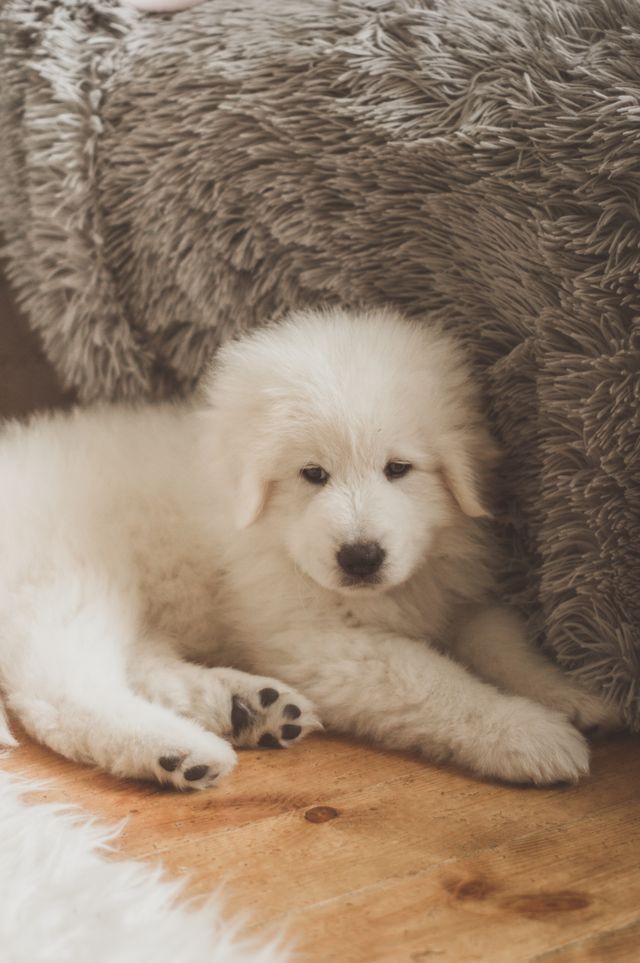
What Happens Between 6 and 12 Months?
By six months old, many puppies look much more like adult dogs than tiny puppies. However, they are still learning how to behave and respond to the world around them.
During this stage, puppies typically experience:
- Rapid physical growth
- Increased independence
- More energy and stamina
- Continued mental development
- Stronger social skills
- Hormonal changes
- Adolescent behavior
While every breed develops differently, most puppies begin entering their teenage phase during this period.
Physical Growth Continues
Many puppies continue growing throughout this stage, especially medium and large breeds.
You may notice:
- Increased height
- More muscle development
- Improved coordination
- Greater endurance during exercise
- Adult coat development
Small breeds often reach their adult size earlier, while large breeds may continue growing well beyond their first birthday.
The Teenage Puppy Phase
Many owners describe this stage as the canine equivalent of teenage years.
Your previously obedient puppy may suddenly:
- Ignore commands
- Become distracted more easily
- Test limits
- Act more independently
- Display selective hearing
Don't panic.
This behavior is common and does not mean training has failed. Consistency remains the key to success.
Training Should Continue
Many owners make the mistake of reducing training once their puppy learns basic commands.
In reality, training becomes even more important during adolescence.
Skills to Reinforce
Continue practicing:
- Sit
- Stay
- Come
- Leave it
- Loose-leash walking
- Recall
- Calm greetings
Short daily sessions help maintain good habits.
Remember to reward success and keep training positive.
Exercise Needs Increase
Most puppies between 6 and 12 months have much more energy than younger puppies.
Appropriate exercise may include:
- Daily walks
- Fetch games
- Training activities
- Hiking (breed dependent)
- Interactive play
The amount of exercise should match your puppy's age, breed, and physical condition.
Avoid excessive exercise that may stress developing joints.
Mental Stimulation Is Essential
A bored adolescent puppy often finds creative ways to entertain themselves.
This may include:
- Chewing furniture
- Digging
- Barking
- Stealing household items
Mental enrichment can help prevent these issues.
Great Mental Activities
- Puzzle feeders
- Scent games
- Hide-and-seek
- Obedience training
- Interactive toys
A mentally engaged puppy is often easier to manage.
Socialization Still Matters
Many owners think socialization ends after puppyhood.
In reality, continued exposure to positive experiences helps reinforce confidence.
Encourage safe interactions with:
- Friendly people
- Well-behaved dogs
- New environments
- Different sounds
- New experiences
Positive experiences continue shaping adult behavior.
Hormonal Changes
Between 6 and 12 months, many puppies experience hormonal changes associated with sexual maturity.
You may notice:
- Increased interest in other dogs
- Marking behavior
- More confidence
- Temporary behavior changes
Discuss questions about spaying or neutering with your veterinarian, as recommendations vary by breed and individual circumstances.
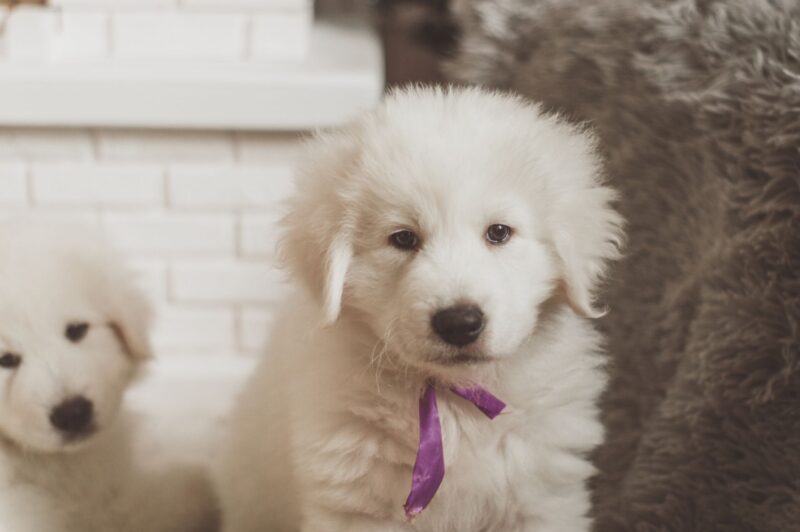
Nutrition During Adolescence
Proper nutrition remains essential.
Most puppies transition to:
- Two meals per day
Choose food appropriate for:
- Age
- Breed size
- Activity level
High-quality nutrition supports healthy growth, muscle development, and overall well-being.
Common Behavior Challenges
Pulling on the Leash
As puppies become stronger, leash manners may become more difficult.
Practice:
- Rewarding loose-leash walking
- Stopping when pulling occurs
- Consistent training
Jumping on People
Excitement often leads to jumping.
Teach alternative behaviors such as sitting politely for attention.
Selective Listening
Your puppy may seem to forget previously learned commands.
This is normal during adolescence.
Continue practicing and rewarding desired behavior.
Building Confidence and Trust
Your puppy is becoming more independent, but they still need guidance.
Focus on:
- Positive reinforcement
- Clear routines
- Consistent rules
- Daily interaction
Strong relationships are built through trust and communication.
Preparing for Adulthood
By the end of this stage, many puppies are approaching physical maturity.
Important goals include:
- Reliable obedience
- Good social skills
- Healthy exercise habits
- Confidence in new situations
- Strong bond with family
The work you put in now can pay off for years to come.
Recommended Products for 6 to 12 Month Old Puppies
Durable Chew Toys
Many puppies continue chewing during adolescence.
Pamlulu Store
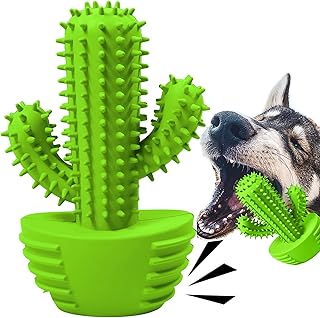
Look for:
- Durable materials
- Safe construction
- Appropriate sizes

Training Treats
Training should continue throughout this stage.
Zuke´s Store

Small training treats make rewarding good behavior easy and effective.
Long Training Lead
Brand: Tairro
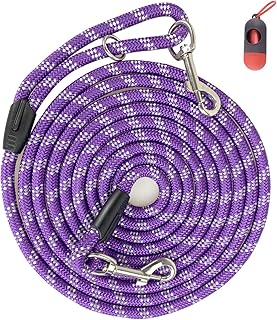
Useful for:
- Recall practice
- Safe exploration
- Outdoor training
Related Puppy Development Articles
Follow your puppy's journey from birth to adulthood:
Read our article: Newborn Puppies: Birth to 2 Weeks
Continue reading: Puppy Development: 2 to 4 Weeks
Continue reading: Puppy Development: 4 to 8 Weeks
Continue reading: Puppy Development: 8 to 12 Weeks
Continue reading: Puppy Development: 3 to 6 Months
Together, these guides cover every important stage of puppy development during the first year of life.
FAQ
Is a 6-month-old dog still a puppy?
Yes. Most dogs are still considered puppies at 6 months of age, even though they may look much larger.
Why is my puppy suddenly ignoring commands?
Many puppies go through an adolescent phase where they test boundaries and become more independent.
How much exercise does a 9-month-old puppy need?
Exercise needs vary by breed, but most adolescent puppies require daily physical activity and mental stimulation.
Is chewing normal at this age?
Yes. Many puppies continue chewing during adolescence, especially energetic breeds.
When does a puppy become an adult dog?
This depends on breed size. Small breeds mature sooner, while large breeds may not reach full maturity until 18 to 24 months.
Should I continue training after basic commands are learned?
Absolutely. Ongoing training reinforces good habits and strengthens communication.
Why is socialization still important?
Positive experiences during adolescence help puppies maintain confidence and develop into well-adjusted adult dogs.
The period from 6 to 12 months is often one of the most rewarding—and sometimes challenging—stages of puppy development. Your puppy is becoming stronger, smarter, and more independent every day.
With consistent training, positive socialization, proper nutrition, and plenty of patience, you'll help your puppy successfully transition into adulthood.
The playful puppy you brought home just a few months ago is growing into a lifelong companion, and the lessons learned during this stage will help shape the dog they become. 🐶❤️